
Rising borrowing costs are shrinking fiscal space across developing countries, forcing governments to cut essential spending and delaying development investments.
UNCTAD
Disruptions in the Strait of Hormuz are driving up energy, transport, and fertilizer costs, threatening food prices and economic stability, particularly in developing countries.

A UN Trade and Development report warns that growing policy uncertainty and fragmentation in the global trading system threaten developing countries’ ability to benefit from trade.

UN Trade and Development (UNCTAD) has released a rapid analysis examining the implications of recent disruptions to maritime traffic in the Strait, one of the world’s most critical trade corridors.

US tariff changes are unevenly altering competitiveness, creating winners and losers, limiting value chain upgrading, and reshaping global trade flows.

UNCTAD’s 2025 report warns that service growth in least developed countries is limited by low productivity, weak digital capacity, and insufficient job creation, restricting broad-based prosperity.

Global foreign direct investment rose 14% in 2025, led overwhelmingly by capital-intensive data-centre projects tied to AI growth, though gains were concentrated in developed economies and masked weaker underlying investment activity.
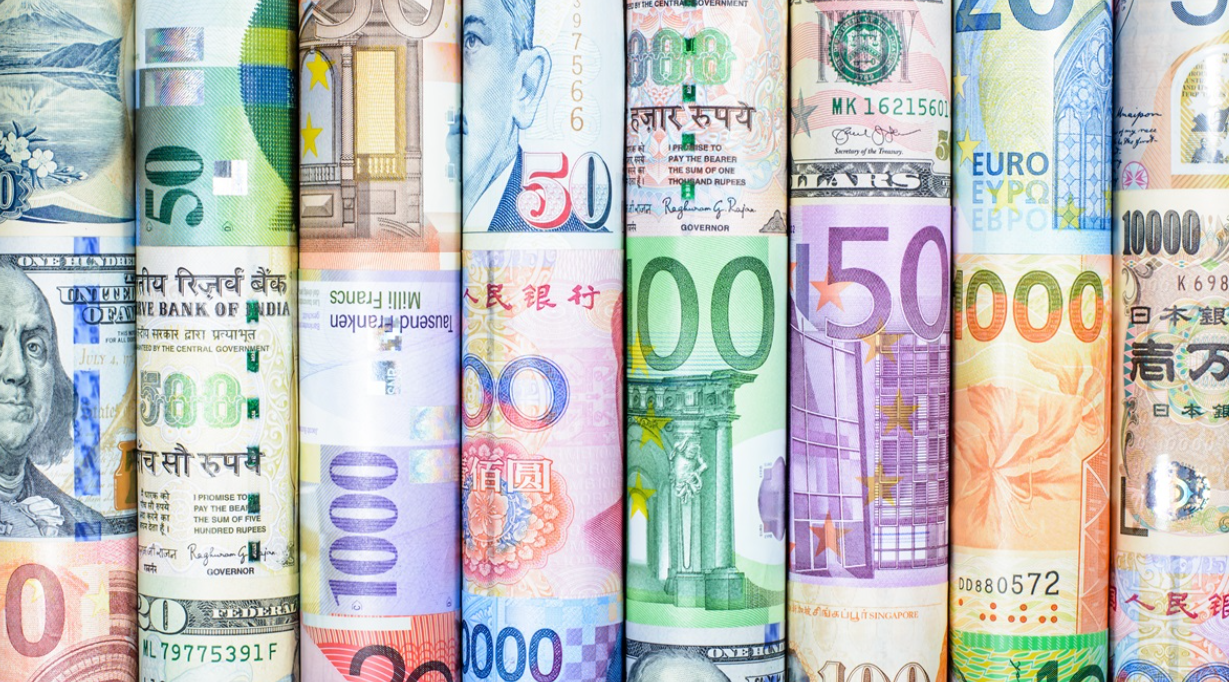
After reaching a record $35 trillion in 2025, global trade is set to keep growing in 2026 at a slower pace as geopolitical tensions, supply chain shifts and digital and green transitions reshape trade flows.
As the world moves toward a more sustainable future, nuclear energy is back in the spotlight. While wind and solar power are key to reducing carbon emissions, their intermittent nature presents challenges.
Could nuclear energy provide a stable, low-carbon alternative?
UN Trade and Development (UNCTAD) economist Claudia Contreras joins The Weekly Tradecast to explore nuclear energy’s role in the global energy transition. She discusses its benefits, including reliability and efficiency, as well as its risks – radioactive waste, safety concerns and geopolitical challenges.
Tune in to learn whether nuclear power has a place in the energy mix of the future.

A UNCTAD publication shows that while AI is becoming a powerful, affordable tool for entrepreneurs in developing countries, its impact depends on supportive ecosystems, skills development and clear, innovation-friendly governance.

UNCTAD projects global economic growth will ease to 2.6% in 2025 and 2026, reflecting slowing momentum in major economies as temporary trade and digital boosts fade.

COP30 advanced climate action through new finance work programmes, trade dialogues, and international cooperation mechanisms supporting just, equitable transitions for developing countries.

Global trade is set to grow 7% in 2025, driven by East Asia, Africa and manufacturing, reaching a record $35 trillion despite persistent imbalances and rising geopolitical fragmentation.

Geopolitical shifts and financial instability are reshaping globalization, straining trade and development, heightening risks for developing economies, and underscoring the need for coordinated trade, finance, debt, and climate reforms.

An UNCTAD report shows prolonged military operations and restrictions have devastated the Palestinian economy, erasing two decades of progress, with Gaza’s GDP per capita at $161 and the entire population facing multidimensional poverty.