
UNCTAD
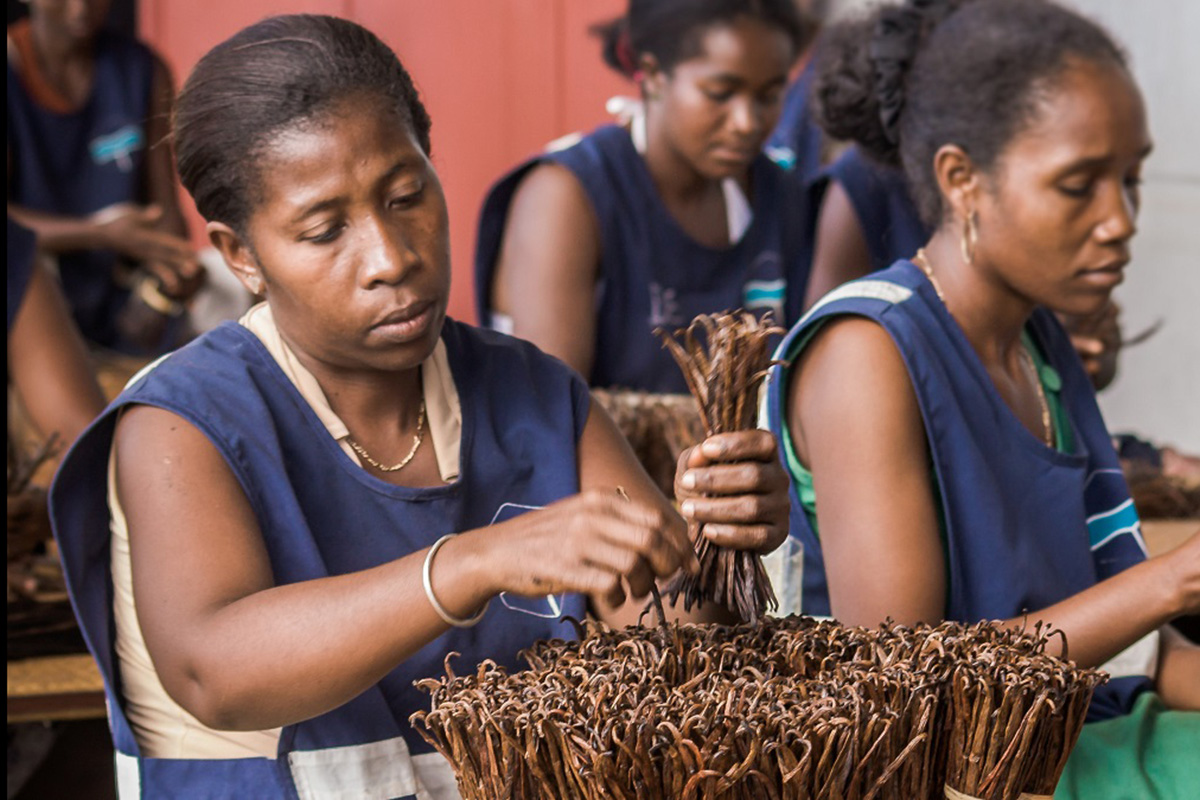

Issues of science, technology, and innovation remain endemic to development, and furthering our understanding of these issues is a core challenge for policy research. Deepening its commitment to this goal, UNCTAD launches the 2023 edition of its Technology and Innovation Report, a flagship publication that this year focuses specifically on what can be achieved by technological innovation by opening 'green windows of opportunity'. The report is built around green innovation - creating or introducing new or improved goods and services that leave lighter carbon footprints.
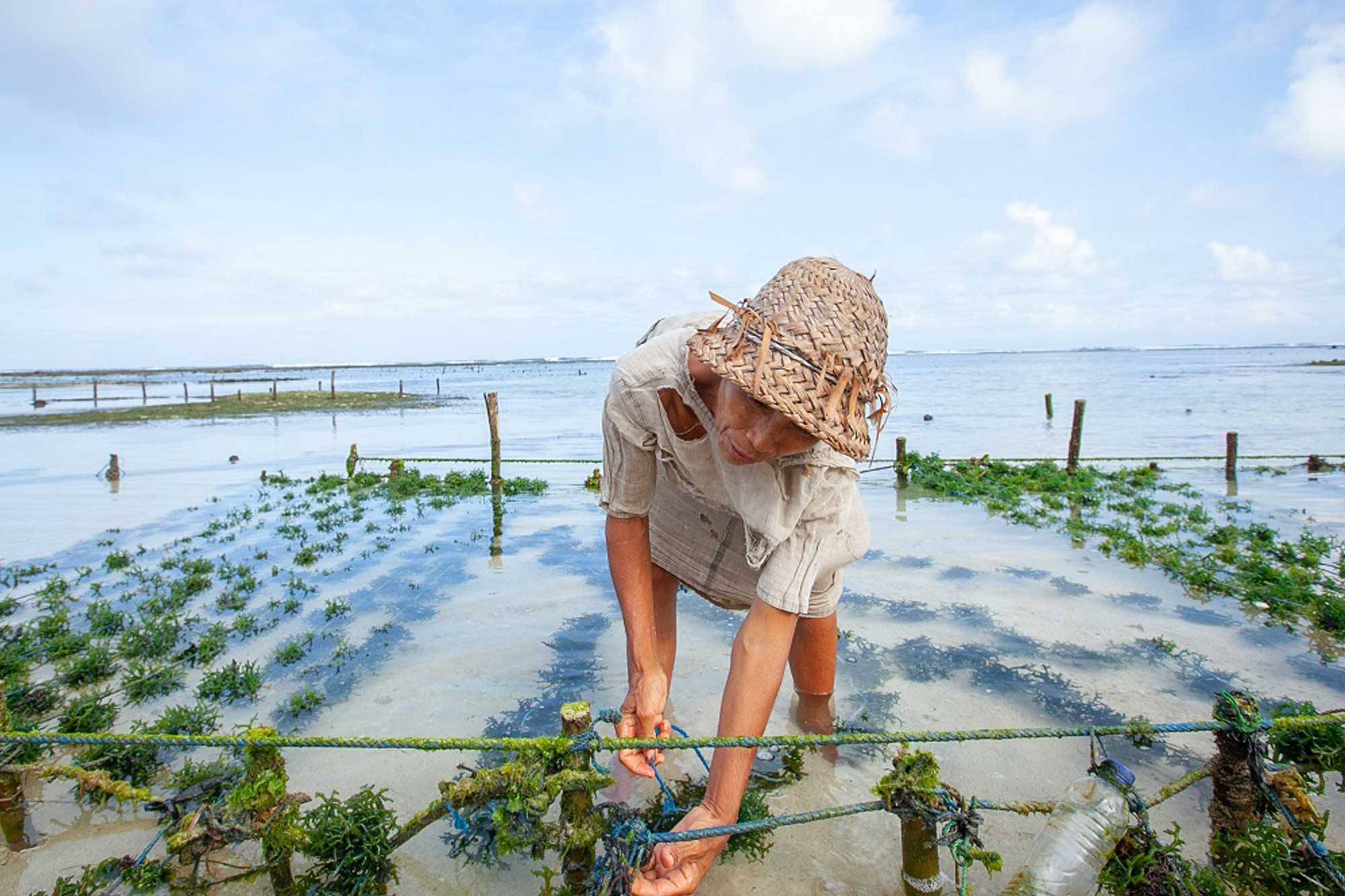
The world traded about 369 million tonnes of plastics in 2021 – enough to fill over 18 million trucks. The queue would wrap around the globe 13 times! Since less than 10% of all plastics produced have been recycled, most of the products will end up littering our streets and flooding our seas. But nature abounds in sustainable materials (bamboo, sand, banana plants, algae) that could be used to make eco-friendly versions of straws, shopping bags, bottles, food wrappers and other plastic products.
Plastic substitutes could cut global plastic waste by around 17% by 2040 – about 63 million tonnes less, or 3.5 million fewer trucks in the queue. “Besides the benefits to the planet, the shift offers economic opportunities,” said Henrique Pacini, an UNCTAD economist working on trade and environment issues. “But countries and companies have to work together and across borders to scale up production and reduce trade barriers."

The country’s online system is making it easier for women entrepreneurs to access the benefits of registering their company with the government.
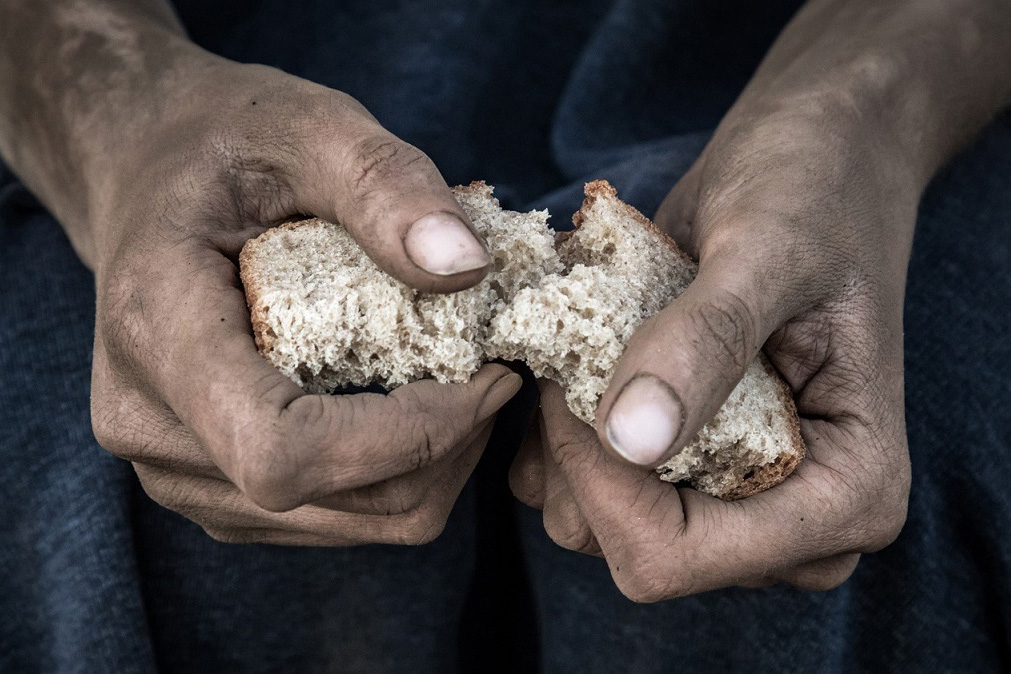
The current food crisis, triggered by COVID-19 and the war in Ukraine, is different, a new UNCTAD report says, because of a stronger US dollar - creating a ‘double burden’ for developing countries.

Global trade should hit a record $32 trillion for 2022, but a slowdown that began in the second half of the year is expected to worsen in 2023 according to UNCTAD’s Global Trade Update.

Hemp is an amazing plant that is eco-friendly and used in food products, biofuels, textiles and even building materials. Its global market could hit $18.6 billion by 2027, a new UNCTAD report says.

Celebrating female entrepreneurship, a recent UNCTAD publication tells the stories of 21 women from developing countries who’ve defied a myriad of challenges to build successful businesses.
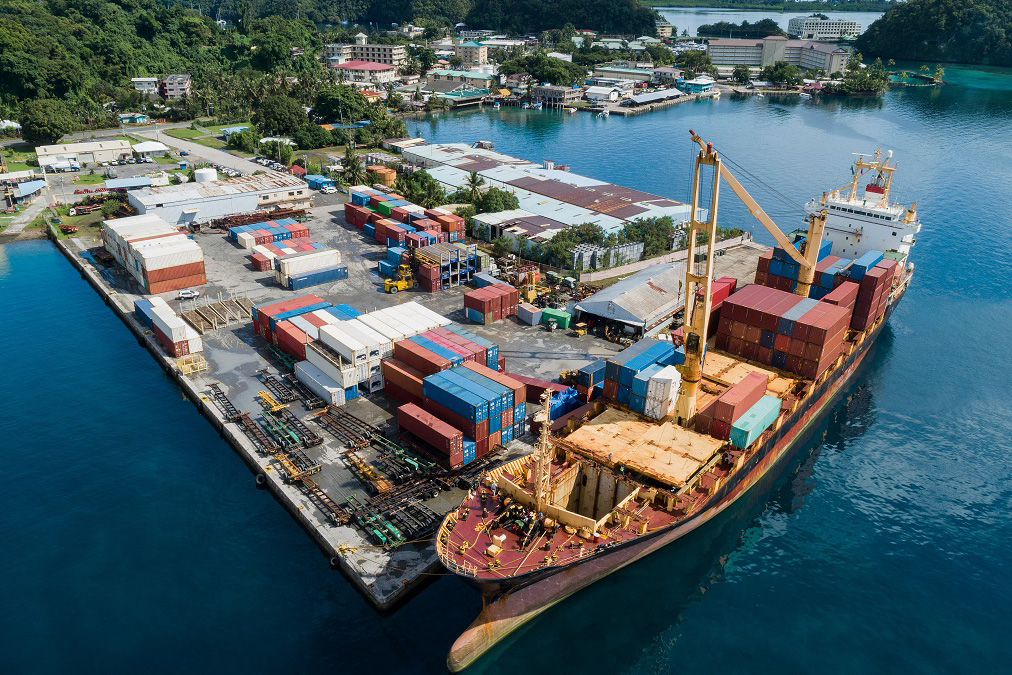
A new UNCTAD report calls for increased investment in maritime supply chains. Ports, shipping fleets and hinterland connections need better prepare for future global crises and climate change.
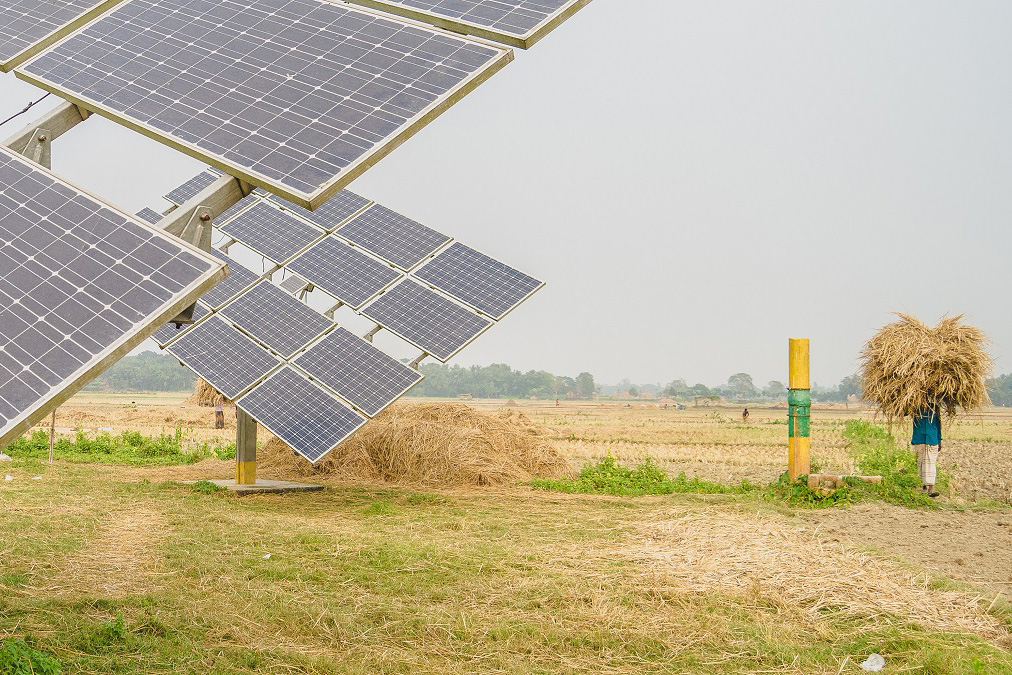

A new report by UNCTAD explores how urban entrepreneurs, or urbanpreneurs, use innovative solutions to tackle challenges triggered by rapid urbanization and drive the expansion of smart cities.
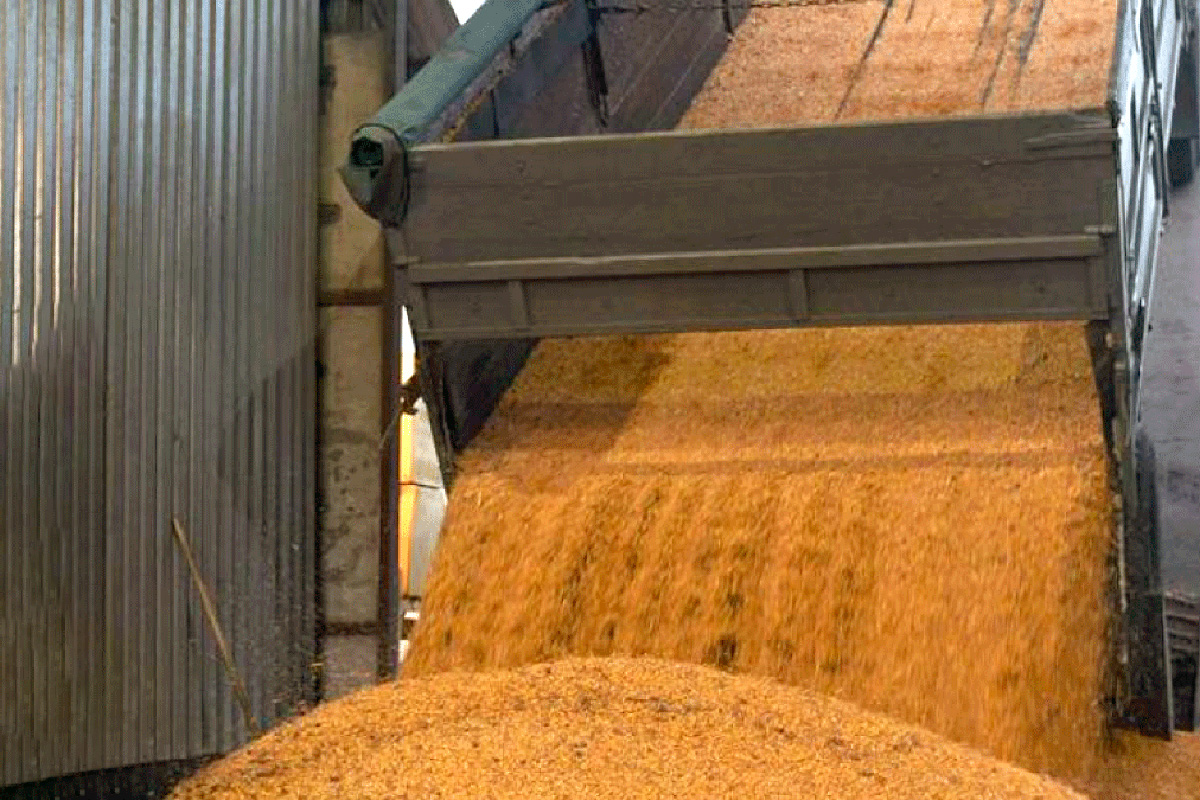
A recent UNCTAD report shows how the Black Sea Grain Initiative, effected to resume exports of Ukrainian grain via the Black Sea amid the ongoing war, has offered hope and shown the power of trade in times of crisis. The report underlines why it’s critical to renew the initiative next month. Thanks to the initiative, port activity in Ukraine is picking up and large shipments of grain are reaching world markets. The total tonnage of grain and other foodstuffs exported through the initiative had reached almost 8 million metric tons.

UNCTAD’s eTrade readiness assessment for Peru will provide diagnostics of how the country is taking advantage of digitalization and e-commerce for development.
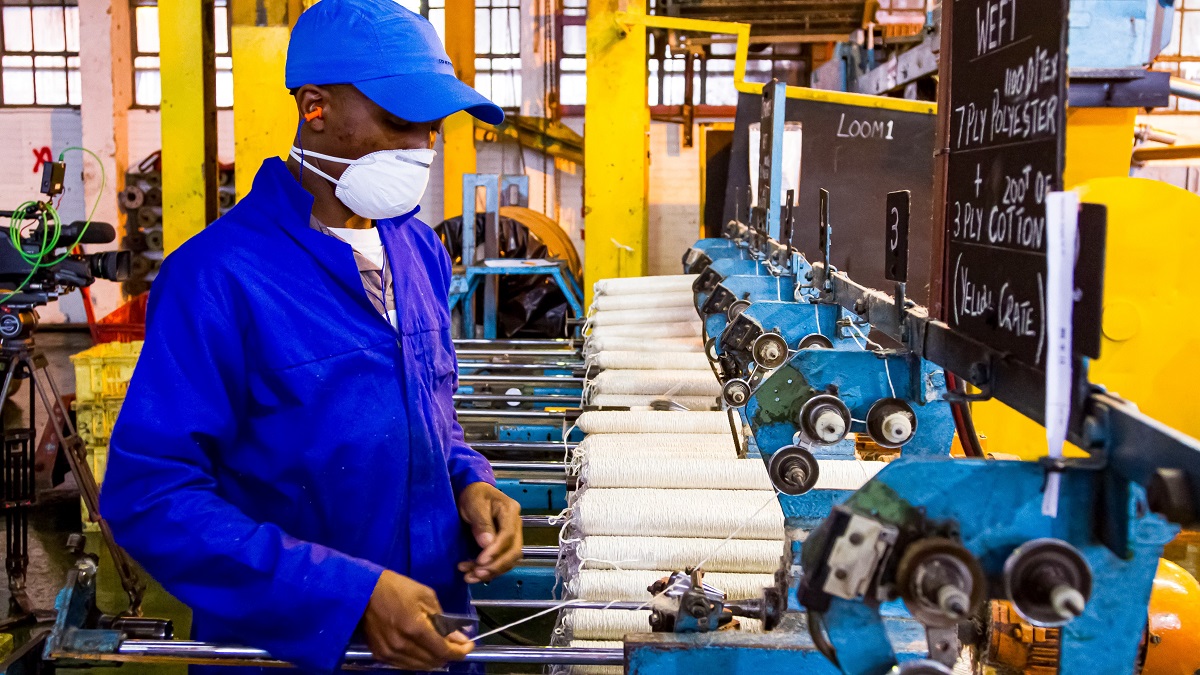
Africa’s economic activity is expected to expand by a moderate 2.7% in 2022 and 2.4% in 2023, following a rebound of 5.1% in 2021, according to UNCTAD’s Trade and Development Report 2022.
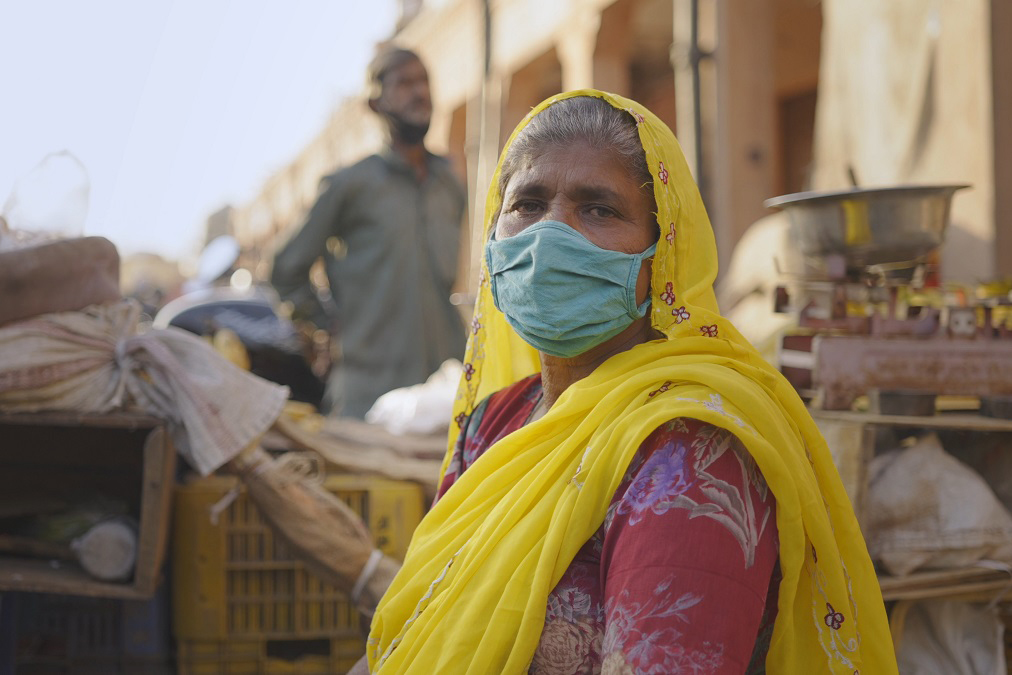
Monetary and fiscal policy in advanced economies risk pushing the world towards recession and prolonged stagnation, inflicting worse damage than the financial crisis in 2008 and the COVID-19 shock in 2020, UNCTAD warns in its Trade and Development Report 2022. According to the report, rapid interest rate increases and fiscal tightening in advanced economies combined with the cascading crises resulting from the COVID pandemic and the war in Ukraine have already turned a global slowdown into a downturn with the desired soft landing looking unlikely.