

Frustrations intensify as violence in Port-au-Prince blocks vital food deliveries to 30,000 people in La Saline, where access to basic services is almost non-existent.
Humanitarian Aid

UN Humanitarian Affairs chief Tom Fletcher has been forced to make “brutal cuts” to his organization, as major donors in the rich world slash their aid and international development spending.
UN News’s Conor Lennon spoke to him on Thursday via video-link from the UN offices in the Afghan capital Kabul, at the end of a three week visit to some of the most vulnerable communities in the country, where he has witnessed first-hand the deadly consequences of the dramatic aid slowdown.
Mr. Fletcher has publicly challenged policymakers who signed off on cuts to come to Afghanistan to see the effect they're having on the population, saying that “the effect of aid cuts, is that millions die”.

Amid escalating conflicts, climate disasters, and funding shortfalls, the 21st Dubai International Humanitarian Aid and Development (DIHAD) Conference 2025 (29 April - 1 May) explores critical issues including the evolution of humanitarian principles, shifting financing landscapes, the rise of local actors, and the growing impact of climate change and displacement. UNOCHA also held a pre-conference workshop under the theme "Ethics in Action," offering humanitarian professionals a platform to address ethical decision-making, AI’s implications, corruption risks, and responsible data practices.

As Sudan enters its third year of war, hunger has reached catastrophic levels. Famine has been confirmed in 10 areas, and 17 others are at risk. Millions of people like Abu Sufian and his family are on the move, crowded into temporary shelters before fighting uproots them once again. In a nation where nearly half the population is hungry, the World Food Programme (WFP) assistance is sometimes the only barrier against starvation. Over 13 million people across Sudan have received WFP assistance over the two years since fighting erupted. But even as the WFP aims to scale up its support to reach seven million people a month by mid-year, it faces severe funding and access constraints. “Without immediate assistance, especially in famine or famine-risk areas, thousands of lives are at risk," says Makena Walker, WFP's Acting Country Director in Sudan.

United Nations Office for Project Services, Ethiopia’s government, and the World Bank are rebuilding Tigray’s schools, healthcare, and food systems to support post-conflict recovery.

A combination of poverty, conflict, and extreme weather has led to 1.9 million people facing starvation, with 343 million in 74 countries experiencing acute hunger, as reported by the World Food Programme (WFP). WFP’s fleet of trucks, ships, and planes delivers lifesaving food assistance daily to millions. Central to WFP's mission is its supply chain, which plans, procures, and transports food to those in remote and challenging environments, including conflict zones like the Democratic Republic of the Congo, Haiti, Myanmar, Sudan, and the Gaza Strip. Data-driven decision-making is crucial for efficient planning and delivery. WFP collaborates with partners to enhance supply-chain excellence and respond swiftly to crises. In 2024, over 4,600 supply chain staff—90 percent in the field—worked tirelessly to assist 152 million people in need. But how does the supply chain work?
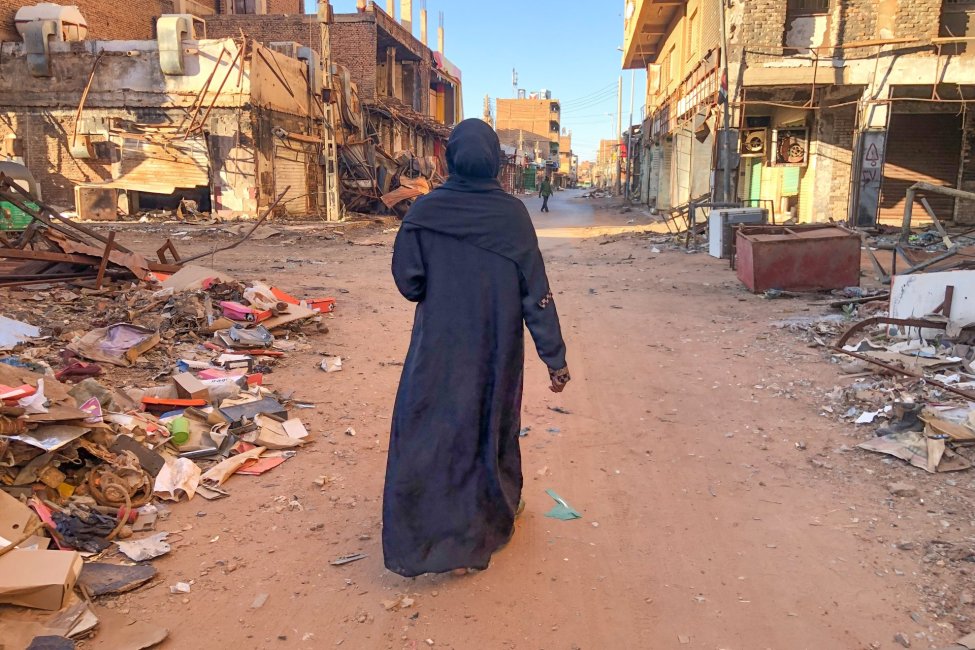
The conflict in Sudan, which started in April 2023, has caused the world's largest displacement crisis. More than 11.5 million people have been displaced within the country, and an additional 3.5 million have fled across borders, including an estimated 930,000 people who have crossed into Chad. The ongoing war threatens to engulf the country and the region, unless a diplomatic way forward can be found. On 15 April 2025, global leaders are meeting in London at a high-level conference to address the escalating humanitarian needs. Find out more on the latest developments in the Sudan crisis.

Unprecedented cuts in global humanitarian funding are having severe impacts on Sudanese refugees in Chad, with clinics, schools and programmes to protect women and children from violence and exploitation forced to shut down. Reproductive health services have suffered significantly, with maternity wards closing, forcing women to give birth at home without medical care, leading to increased deaths. Over 8,500 displaced children may lose access to secondary education this year due to funding cuts, with the potential for over 155,000 refugee children to be left without education by 2026. Chad hosts 1.3 million displaced people, including over 760,000 Sudanese refugees fleeing the ongoing conflict. Families continue to arrive daily, adding pressure to an already impoverished nation facing extreme weather and instability.

United Nations Refugee Agency swiftly provides lifesaving aid to displaced people worldwide, mobilizing staff and supplies for 1 million individuals within 72 hours. Please donate today to help us reach the most vulnerable.
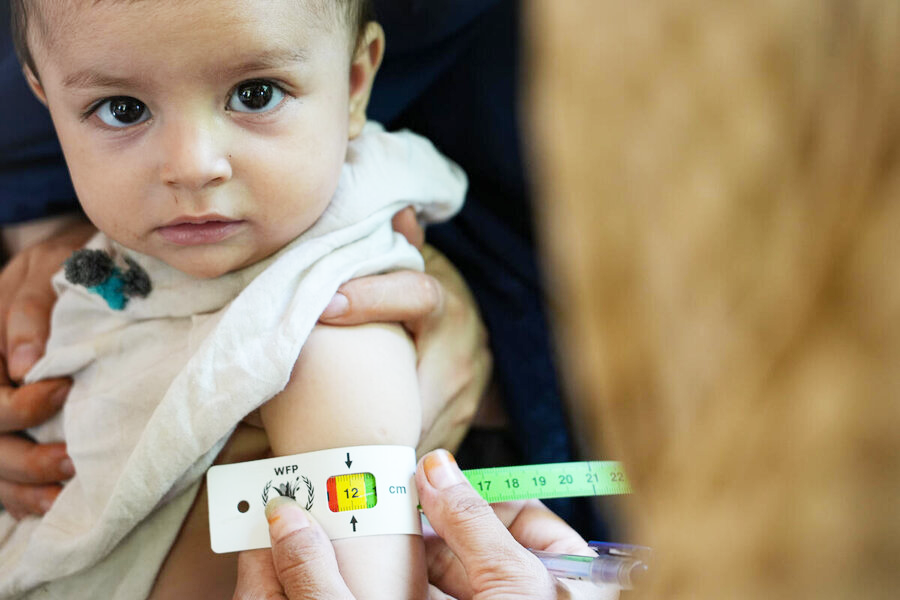
Funding cuts are putting lives at risk as the country faces a worsening nutrition and hunger crisis, leaving millions of people, especially children and pregnant women, vulnerable to malnutrition and death.

Calixta is a 51-year-old community leader in Tornabé, an Afro-Honduran Garífuna community in Atlántida’s Tela municipality, where even just an hour of rain can wreak havoc. For people like Calixta, Tropical Storm Sara and a subsequent cold front in November 2024, which caused severe flooding and landslides and affected nearly a third of the country, weren’t just another event; they were a reminder that storms don’t end – they return. The storms led to health concerns, particularly with a rise in dengue fever, prompting a national health emergency in May 2024. The recently launched Honduras Humanitarian Needs and Response Plan for 2025 aims to assist 800,000 people. It requires US$138 million for the National Humanitarian Forum’s efforts in support of Government-led relief and recovery operations.
Every dollar you give is providing emergency food and cash assistance to Palestine Refugee families. Your Zakat contribution directly supports eligible Palestine Refugees across our five fields of operation; Gaza, the West Bank including East Jerusalem, Lebanon, Syria, and Jordan.
100% of your donation reaches the families who need it most, providing them with immediate relief and a chance to live in dignity.

As the Jamuna River began to swell during last year’s monsoon rains in Bangladesh, millions of people braced for disaster. But Jerin, Renu, Salma, Shaheda and thousands of other people avoided the worst through anticipatory action, building on Bangladesh's long experience in disaster preparedness and climate adaptation. This approach is revolutionizing the way we respond to crises, saving more lives and protecting dignity. Here are their stories.
A fragile ceasefire in Gaza has provided temporary relief, but the humanitarian crisis remains severe. Women and girls are urging the international community to ensure lasting peace and continued support from agencies like UNFPA.
Nestor Owomuhangi, UNFPA Representative in Palestine, stresses the need for continued funding.

Nana Hadiza recalls the day armed assailants attacked her village, killing many men and forcing her to flee with her youngest child, seeking refuge at the Sossokoira displacement site in Gao. Like thousands from Talataye village, she now lives in a tent with other displaced women, far from home. Families across central Mali share similar stories, fleeing violence and finding temporary shelter in Bandiagara and Mopti regions. Many arrived with nothing and cannot return due to ongoing threats. The 2025 Humanitarian Response Plan for Mali highlights that 4.7 million people, primarily women and children, urgently need assistance. Humanitarian partners aim to raise $771.3 million for emergency assistance this year. Flexible, long-term funding is essential to help families in Mali and the wider Sahel to rebuild their lives, provide children with education and nutrition, and offer hope to those who need it most. Every contribution makes a difference. Donate now.