

As the Haitian capital of Port-au-Prince grapples with the staggering levels of violence that began on February 29, humanitarian aid is more important than ever. The World Food Programme (WFP) and its partners are delivering hot meals every day. But funding shortfalls are threatening WFP's ability to sustain its operations. The Pan American Health Organization/World Health Organization (PAHO/WHO) is supporting existing hospital centres amid relentless attacks on medical facilities. In mid-March, more than 800 kg of blood bags, medicines and other medical supplies were airlifted from the Dominican Republic. UNICEF and the International Organization for Migration (IOM) have distributed more than 3.5 million litres of drinking water to more than 60,000 displaced people.
Humanitarian Aid
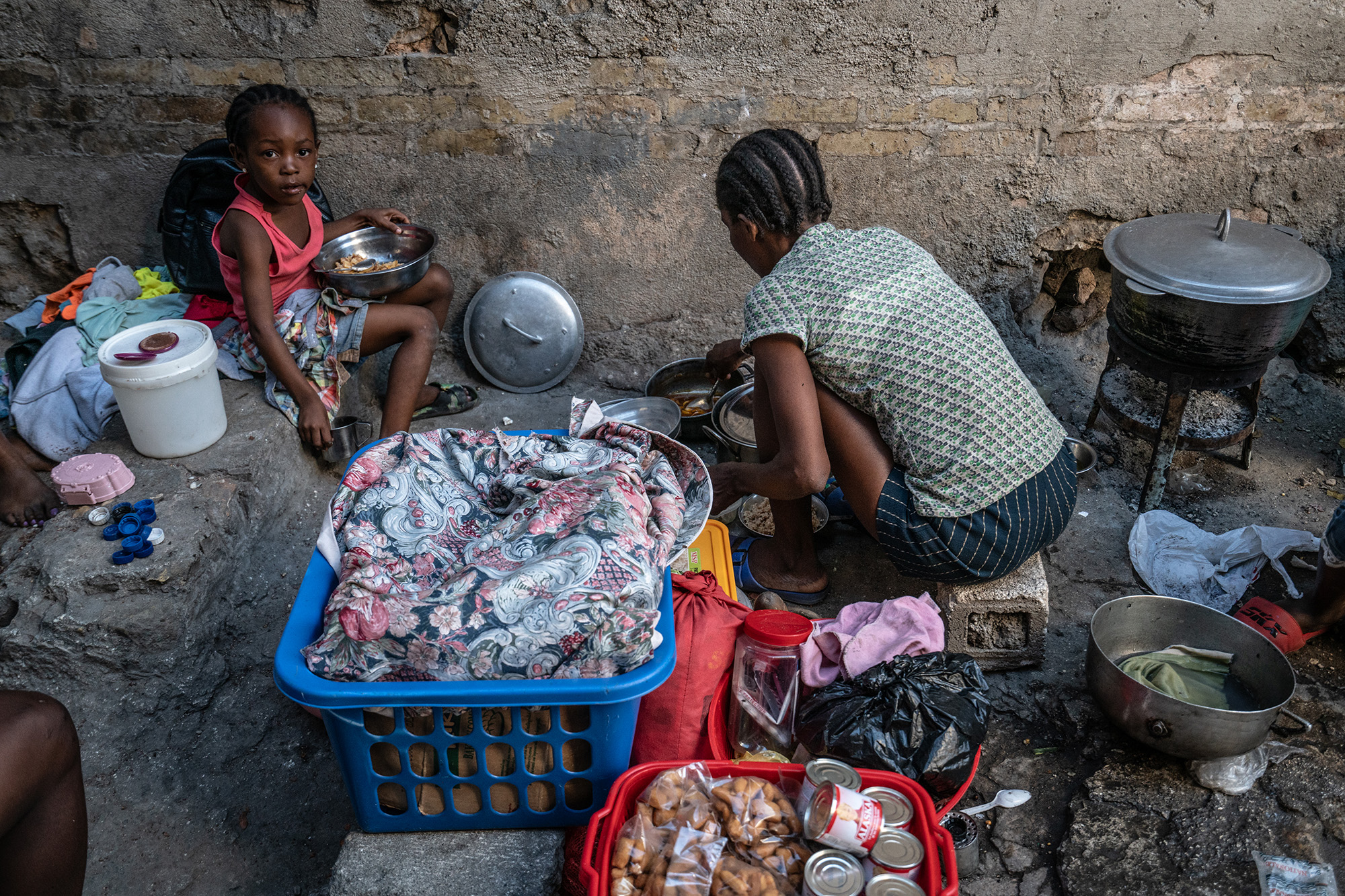
The crisis in Haiti is escalating at an alarming rate. The situation is worsening with increasing levels of violence at the hands of armed gangs. Schools, hospitals, police stations, shops and Government buildings are being attacked. In 2023, the country saw the highest number of killings, kidnappings, lynchings and gender-based violence incidents in recent years. Photographer Giles Clarke has visited Haiti twice in the last six months and captured images depicting the current state of Port-au-Prince.
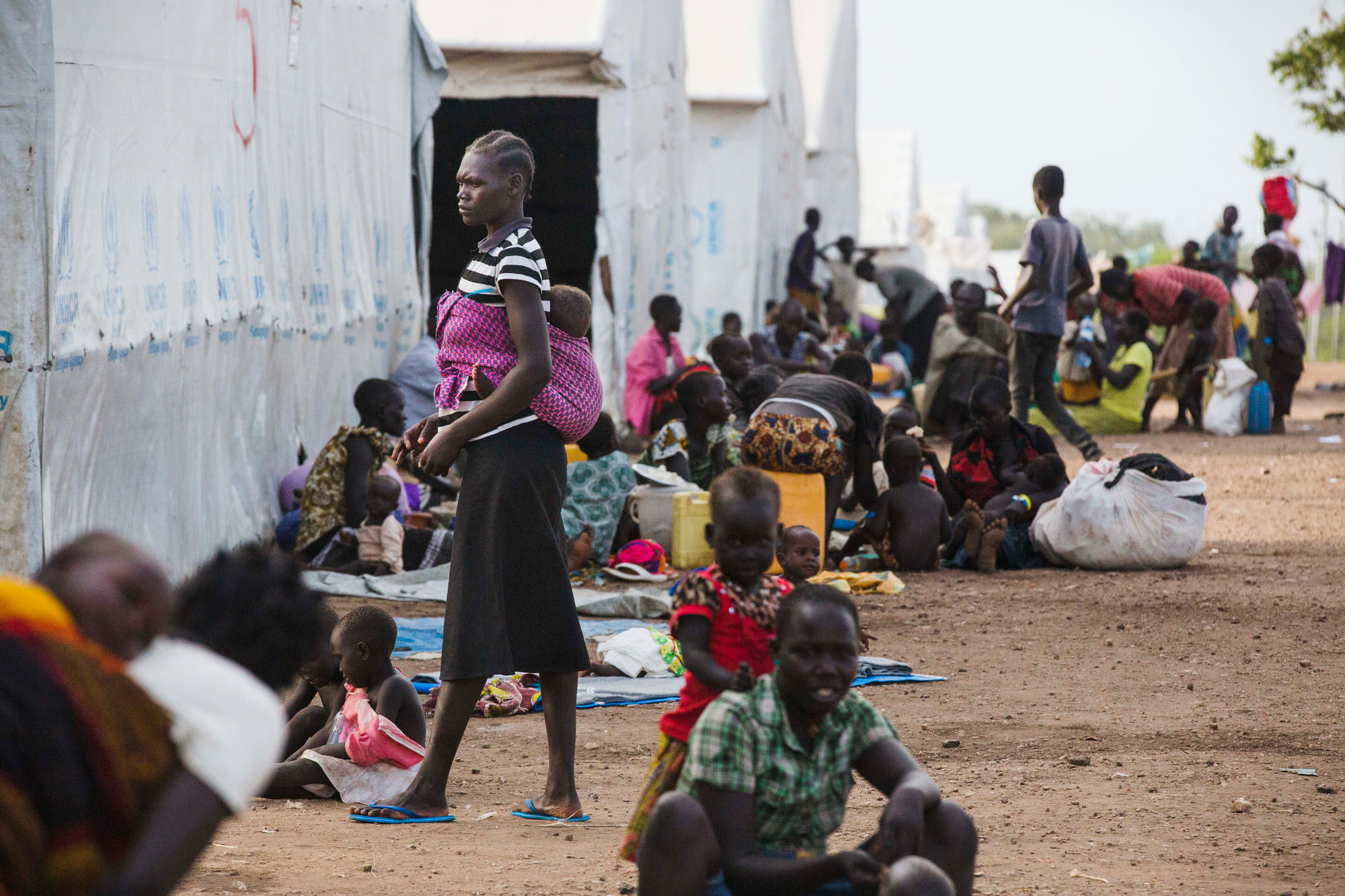
The South Sudanese refugee population, with over 65% children, is the largest refugee situation in Africa. They live in precarious conditions, worsened by drought and food insecurity. This protracted situation is Africa's largest refugee crisis. Despite efforts toward peace, South Sudan still faces violence, food insecurity, and flooding. To help alleviate the situation, the UN Refugee Agency (UNHCR) will launch the South Sudan Regional Refugee Response Plan on Thursday, March 28. The humanitarian initiative will address the needs of 2.2 million refugees in 2024.
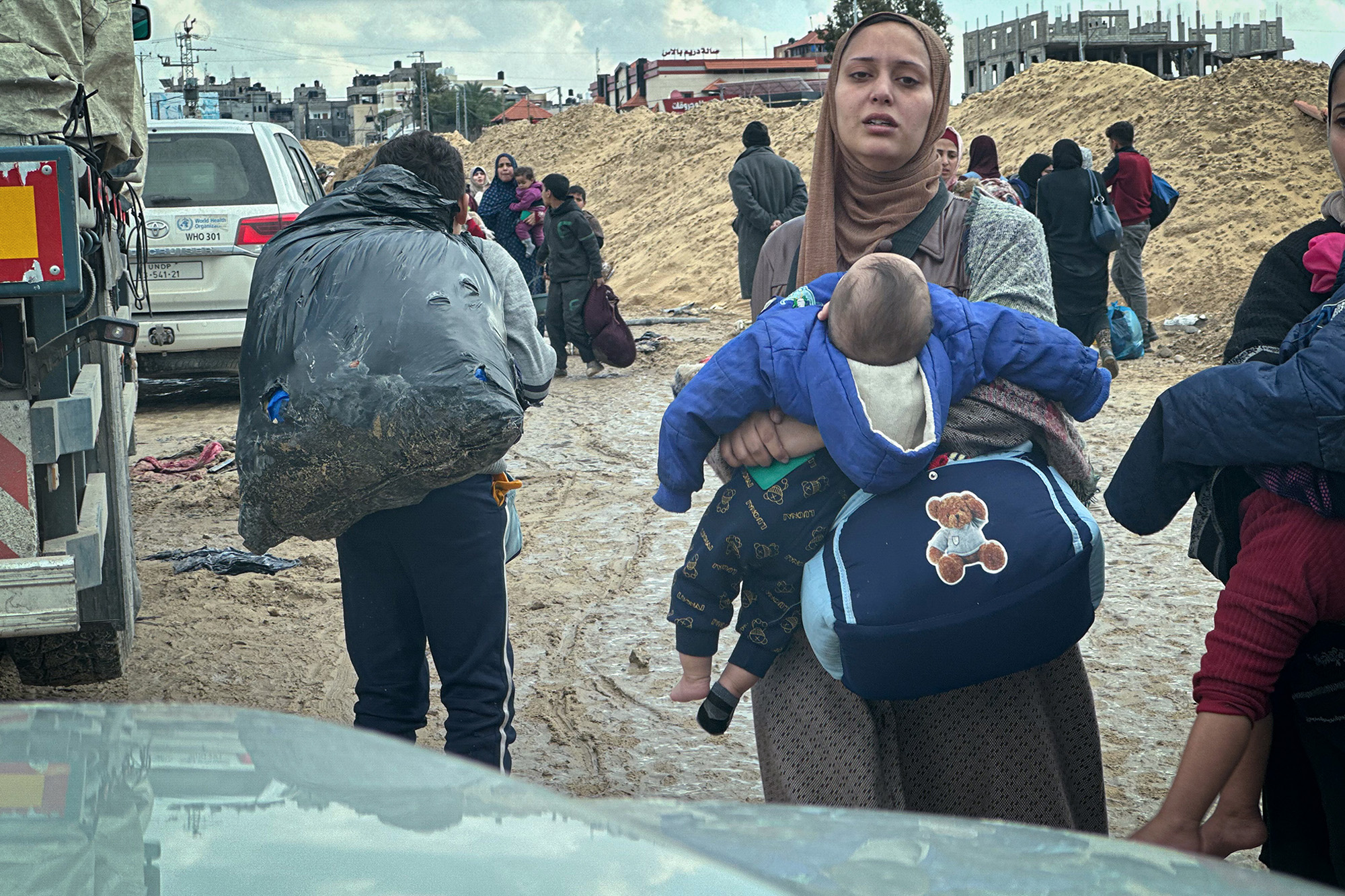
Olga Cherevko was part of a four-person of the United Nations Office for the Coordination of Humanitarian Affairs (OCHA) team that traveled to the Gaza Strip in January to support the response to its unprecedented humanitarian crisis. Olga, who previously worked for the UN Agency for Palestine Refugees (UNRWA) in Gaza, from 2014 to 2017, describes her experiences and the unbearable reality that millions of people in Gaza face each day. She found the reality unbearable. Gaza is no longer a safe place, and people are worried about their future. The area has been destroyed by years of fighting, leaving behind ruins where once stood homes, shops, and places of worship once stood.

UNOPS’s PACAD project aids Central African Republic, addressing conflict displacement, improving infrastructure, and providing assistance to vulnerable communities, promoting stability.

Over the past two decades, protracted conflicts, humanitarian needs, increasing frequency of disease outbreaks and heightened geopolitical tensions have continued to proliferate. Emerging crises add to the complexity of humanitarian needs. The International Organization for Migration (IOM) prioritizes the safety and protection of people in challenging crisis response contexts. The first-ever IOM Global Appeal for 2024 aims to serve almost 140 million people, including internally displaced persons and their host communities. Take a look at the images associated with seven of the world's most challenging crisis contexts.
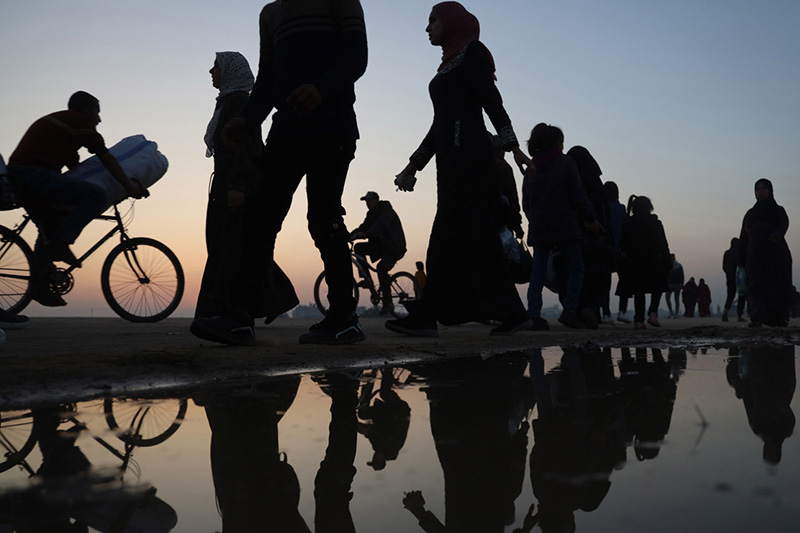
Some 1.5 million people – including tens of thousands of pregnant women, new mothers and newborns – are now crammed into Rafah, Gaza’s southernmost town, in a desperate search for safety amid war. Tightly packed with nowhere to go, they find the prospect of further military operations in Rafah terrifying. With bombs falling and just a trickle of aid, a public health disaster is worsening. Everyone in Gaza is hungry, including 50,000 pregnant women. UNFPA and partners are providing support in this devastating crisis, but it’s not enough, as they do not have the access required to support all women in need.
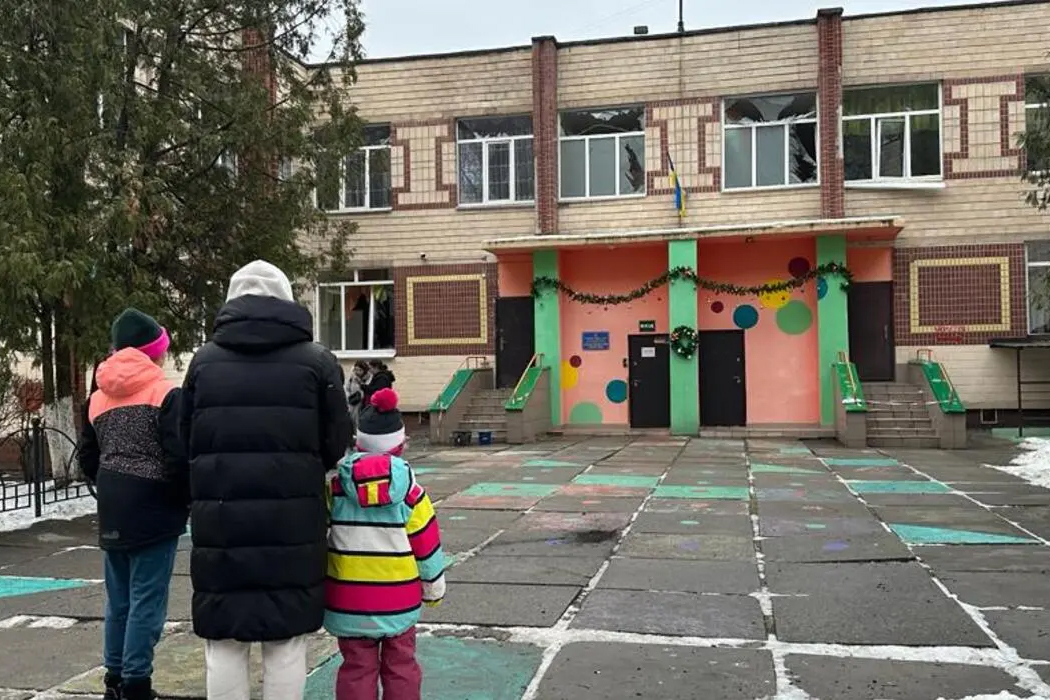
The war in Ukraine continues to inflict immeasurable human suffering, death and destruction, putting millions at risk of serious harm and generating grave humanitarian needs. According to the UN humanitarian coordination office (OCHA), in 2023, humanitarian partners reached nearly 11 million people with vital aid and services across Ukraine. In 2024, the response will continue to focus on people with the most severe humanitarian needs across the country, prioritizing those in the front-line communities and neighbouring areas, as well as the most vulnerable displaced people and returnees.
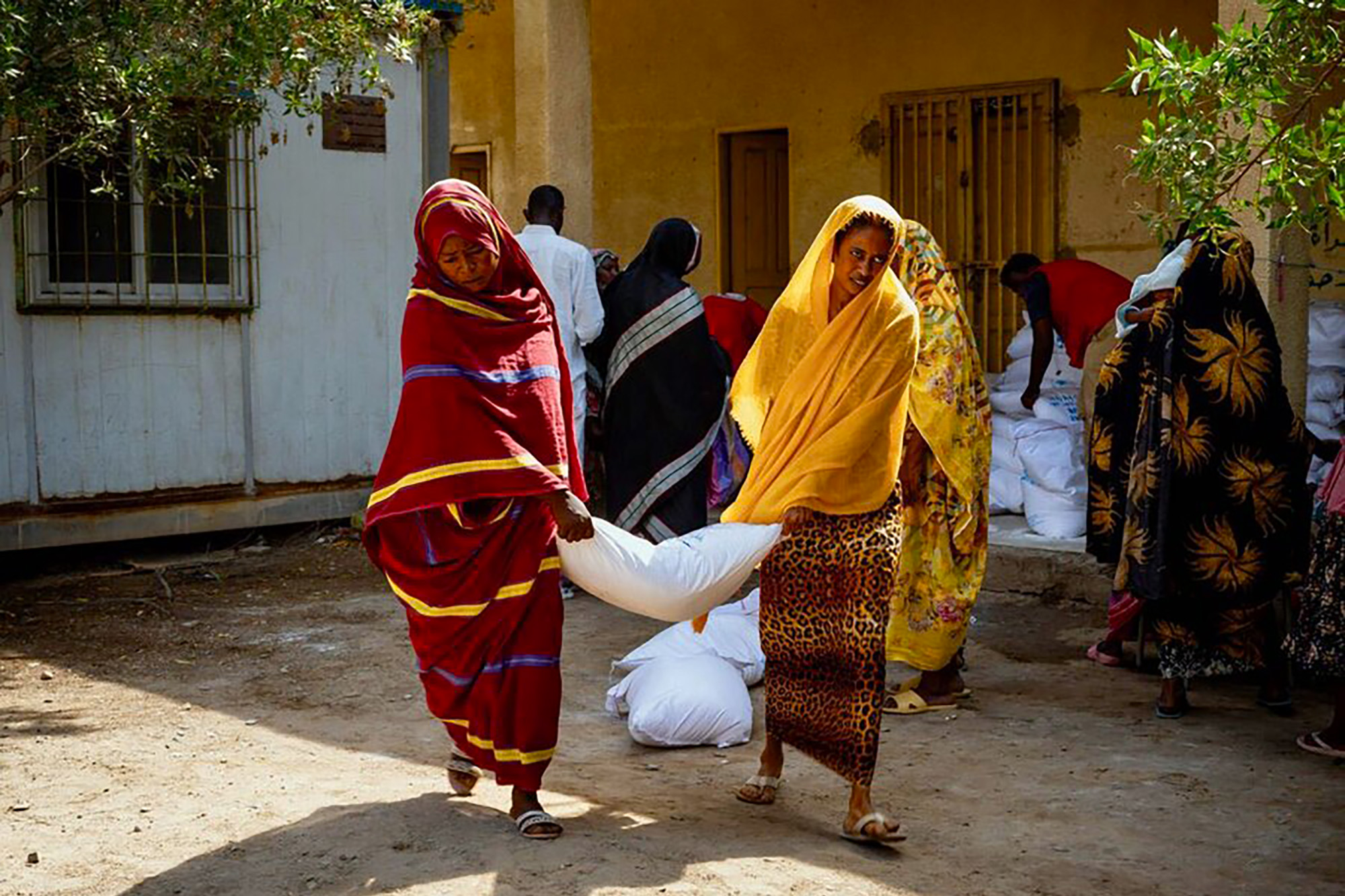
Awad Adam and his wife Nafisa have been on the move since war broke out in Sudan last April. Today, they are among more than 10 million people uprooted from their homes in the world's largest displacement crisis. The World Food Programme (WFP) is working with other humanitarian agencies to respond to the escalating needs. Over the past year, WFP’s assistance has reached some 6.5 million people inside Sudan, as well as many others who have fled to neighboring countries. But needs are skyrocketing. Nationwide, nearly 18 million people face extreme food insecurity. Those trapped in conflict zones face the highest levels of hunger. Reaching them is becoming almost impossible due to security threats, roadblocks and other challenges. Without unfettered access, WFP warns of a looming hunger catastrophe.
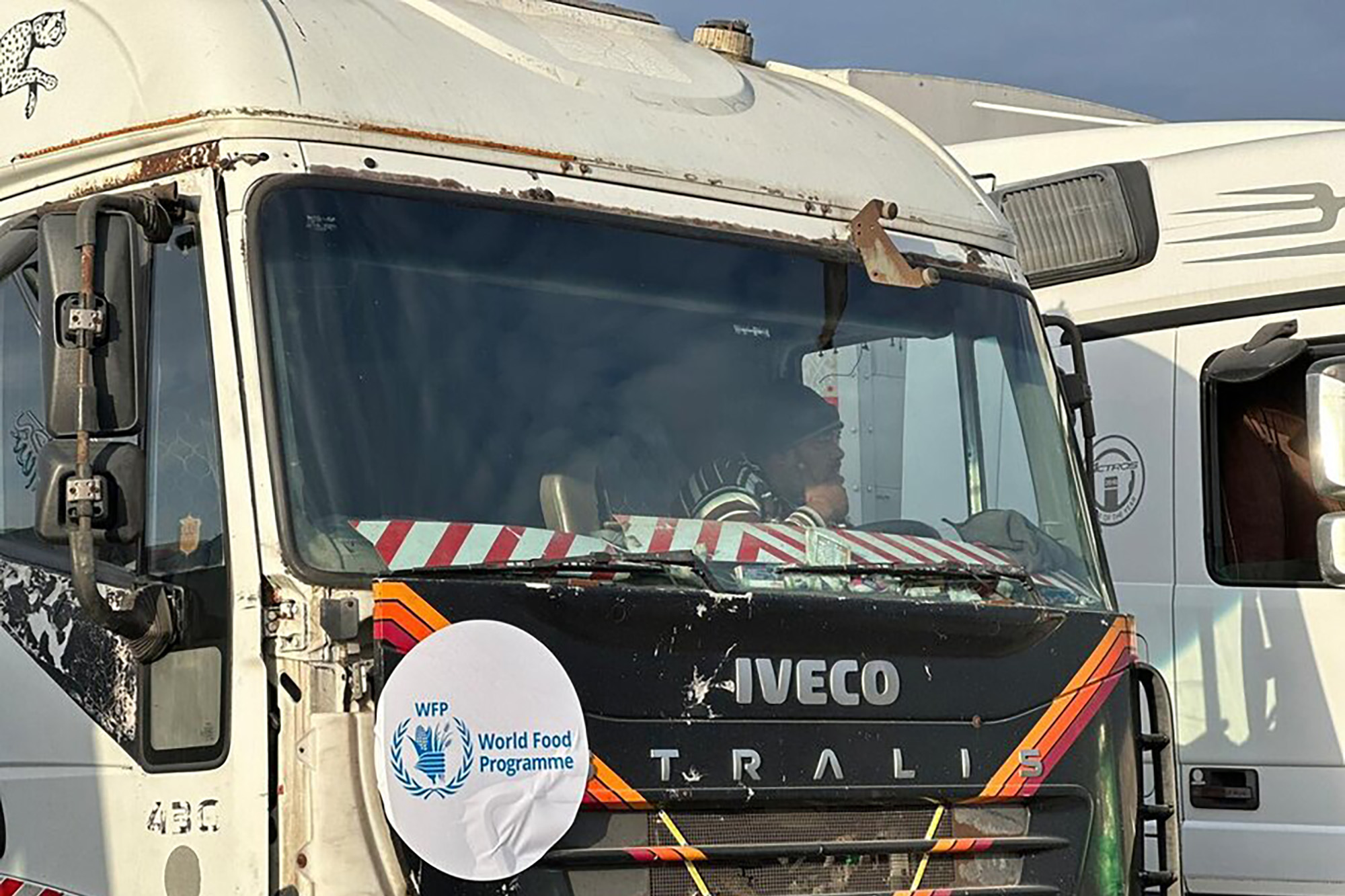
The World Food Programme's (WFP) supply chain is facing bottlenecks at the Rafah crossing in Egypt, which is hindering its efforts to assist in Gaza. The border checks on the Gaza side have created bottlenecks, causing truck drivers to wait for days on end. Only two border crossings into Gaza are open, both on the Egyptian side. The needs in Gaza are enormous, and the entire population is acutely food insecure. Over half a million people face the most extreme stage of hunger. Suzanne Fenton, head of communications for WFP's supply chain division, tells us about her experience of being part of a convoy of trucks trying to deliver food to the Gaza Strip.
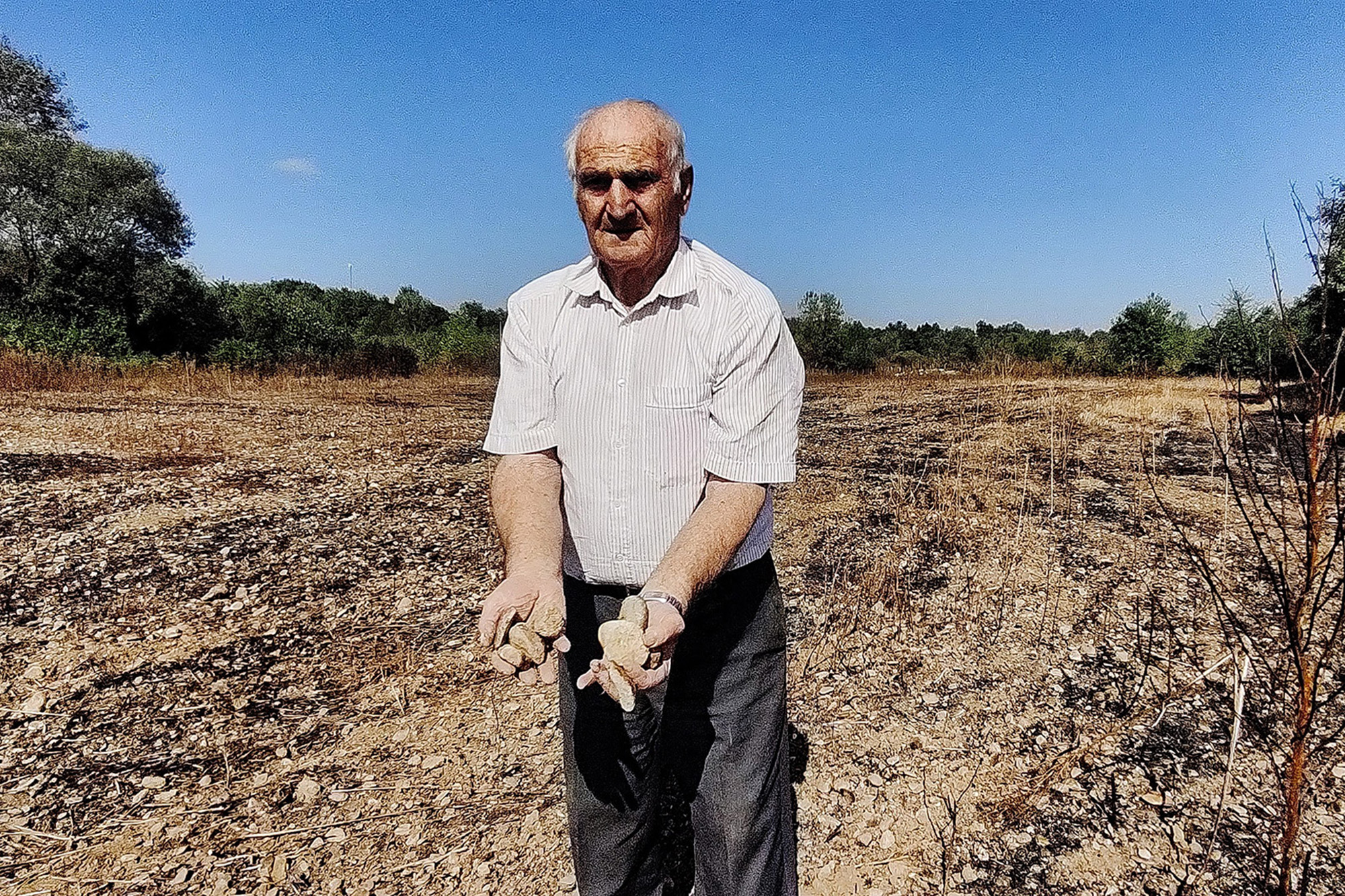
Pajazit Thaci, an 81-year-old farmer from Kosovo, faced devastating floods in January 2023 that destroyed his wheat fields. The aftermath left his once-fertile land with a thick layer of stones and sand, rendering it unfit for cultivation. Pajazit didn’t just lose his current crop, he also suffered a grave disruption to his usual annual harvest and lost the money of which his family would have lived for three months. He received vouchers from the Food and Agriculture Organization of the United Nations (FAO) to help rehabilitate his land and restart his farming, acknowledging his efforts as a farmer.
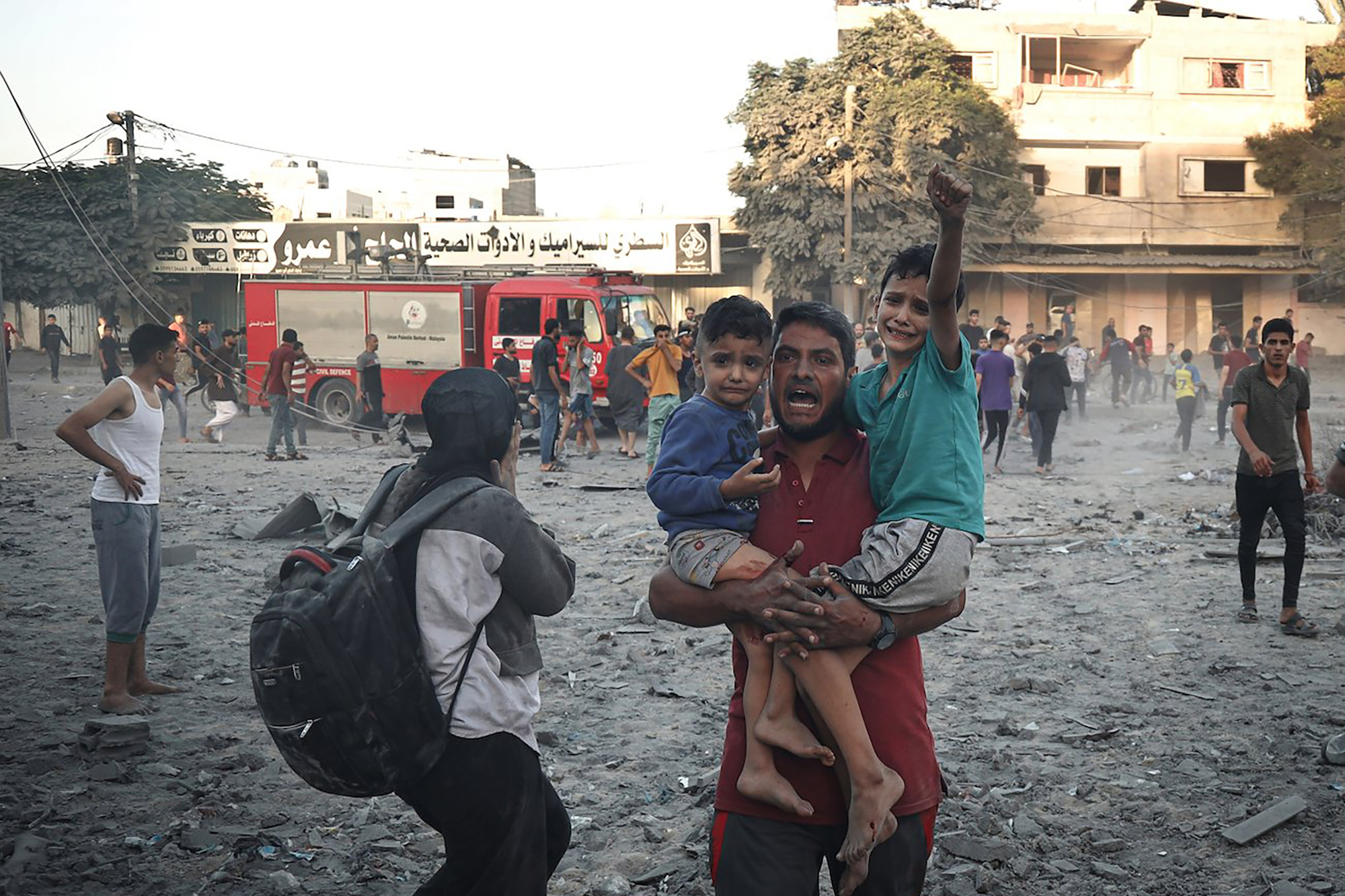
Since 7 October, around 85% of Gaza's population, which is about 1.9 million people, have been displaced. The majority of the 24,000 killed and 59,000 injured are women and children. Hunger is widespread, and aid has been insufficient to address the growing humanitarian crisis. The UN has called for commercial supplies to be allowed to enter Gaza to enable markets and the private sector to reopen and provide an alternative to food accessibility. The images and stories in this photo story published by the Office for the Coordination of Humanitarian Affairs (OCHA) depict the harsh reality that Palestinian children face daily.
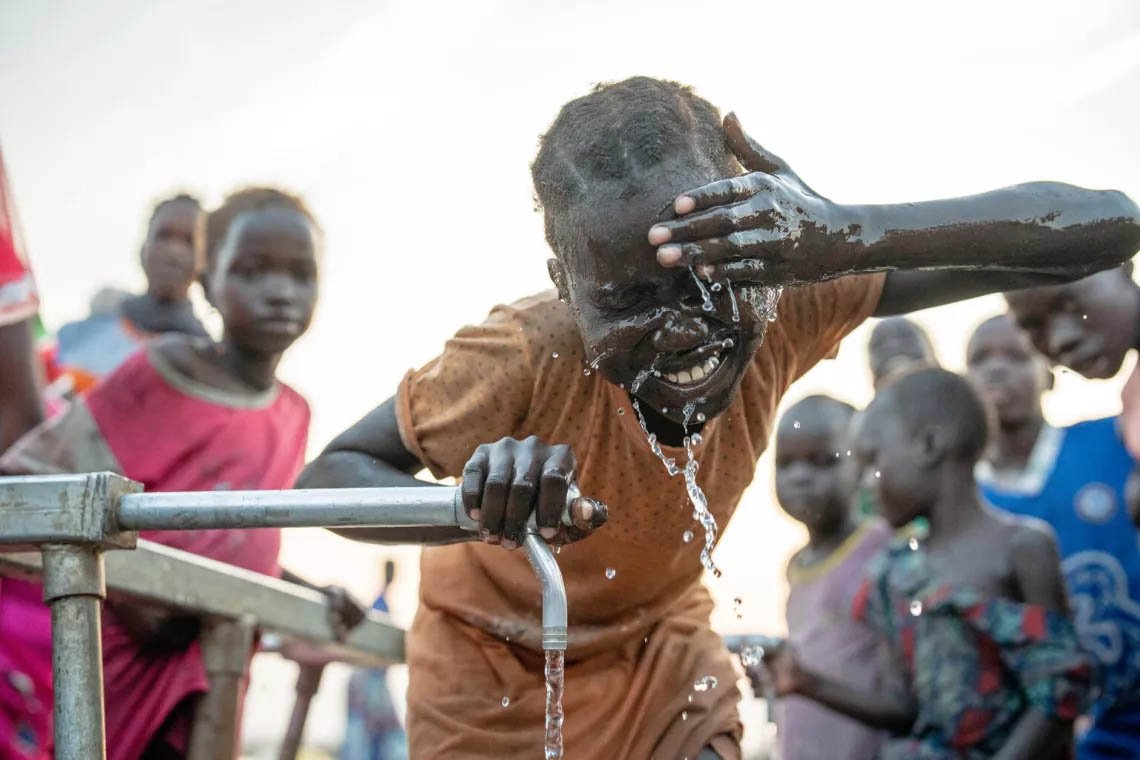
https://www.unicef.org/The year 2023 has witnessed an unprecedented global humanitarian crisis marked by escalating conflicts, disasters, food insecurity, and disease outbreaks. From Afghanistan to the Democratic Republic of the Congo, from Burkina Faso to Somalia, and beyond, millions of children face grave threats due to violence, violations, and the collapse of essential services. However, amidst the surging needs, funding remains a critical challenge. UNICEF is actively engaged in these regions, providing crucial support such as healthcare system maintenance, treatment for malnutrition, education, psychosocial support, and protection services. The organization emphasizes the urgency of these 13 situations and the critical need for international support to address the complex and interconnected challenges faced by these communities.
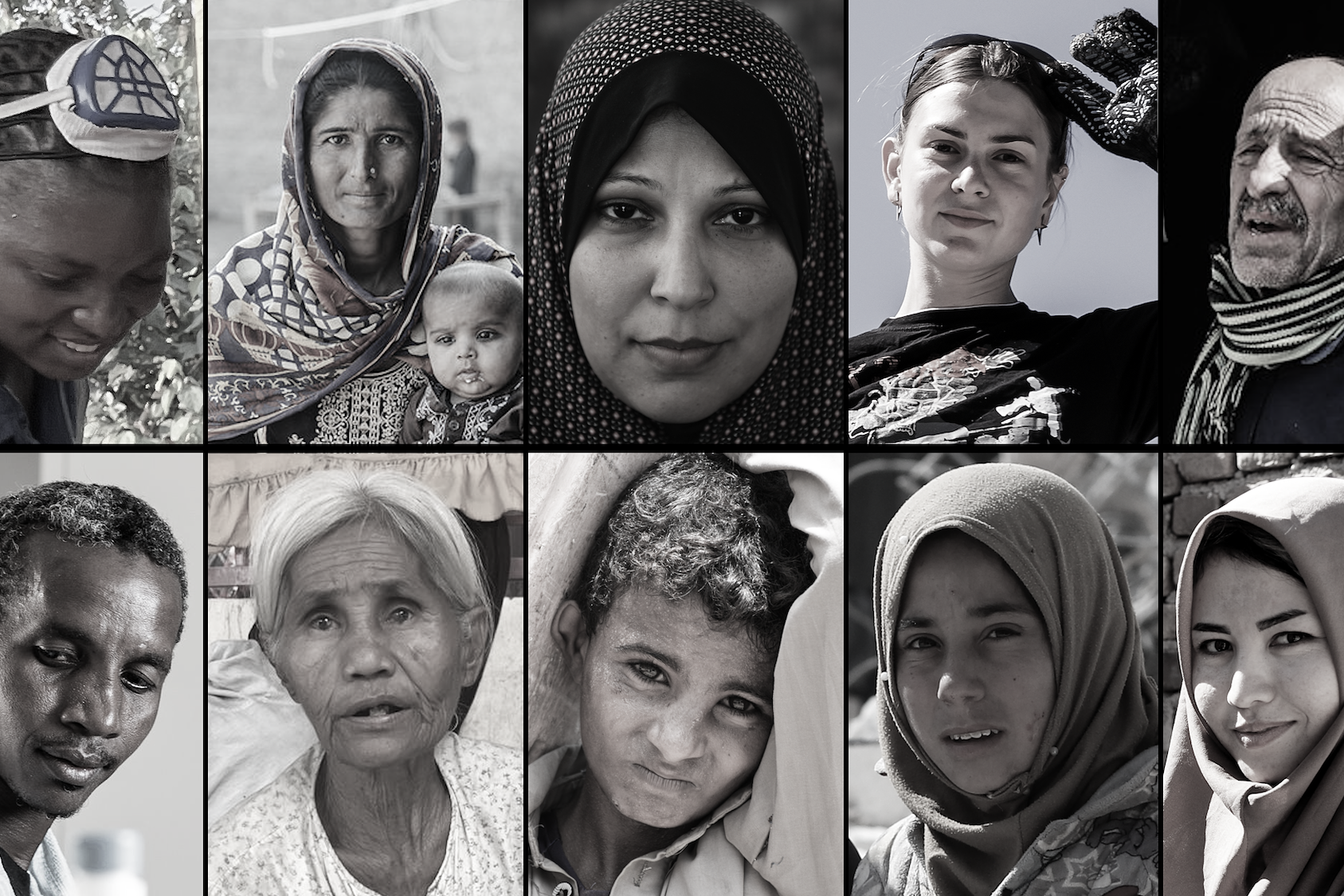
"I want my old life back." It’s a powerful reflection of how people feel when they’re in the thick of crisis, when unthinkable tragedy has struck. Because behind each crisis headline, where we read of millions uprooted or facing trauma or conflict, are the individual humans who just want to once again walk their children to school along safe roads, eat a warm meal, go shopping, laugh with friends, live free from fear and dread. As we close 2023, we hear from people around the world who have faced tremendous adversity this year, and see how they're working, with UNDP support, to get back the most basic and also most precious right—that to a ‘normal’ life.
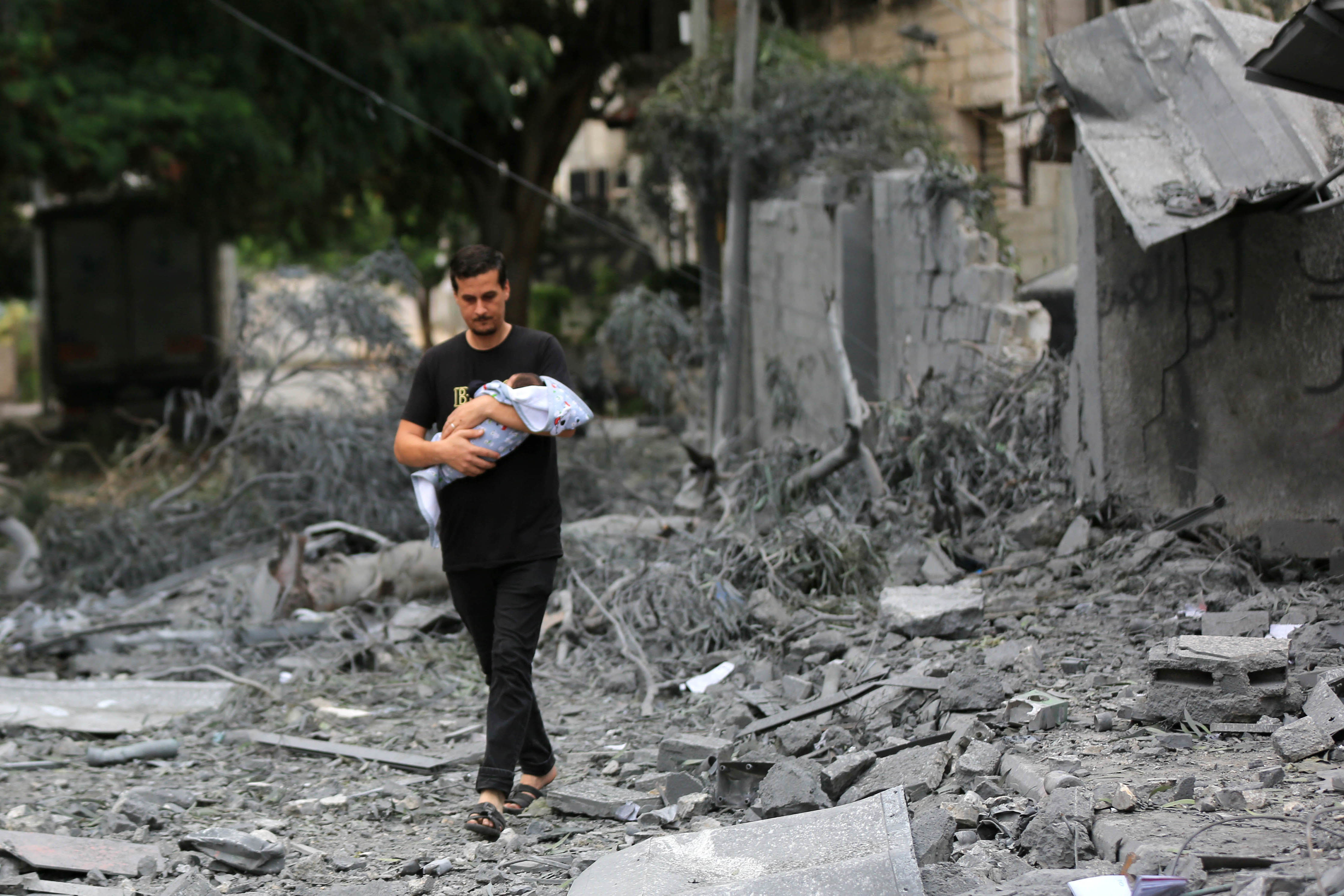
Civilians are dying while the world watches and families are being displaced en masse. UNRWA is calling for immediate access to humanitarian aid and urgent funding for Palestine Refugees.