
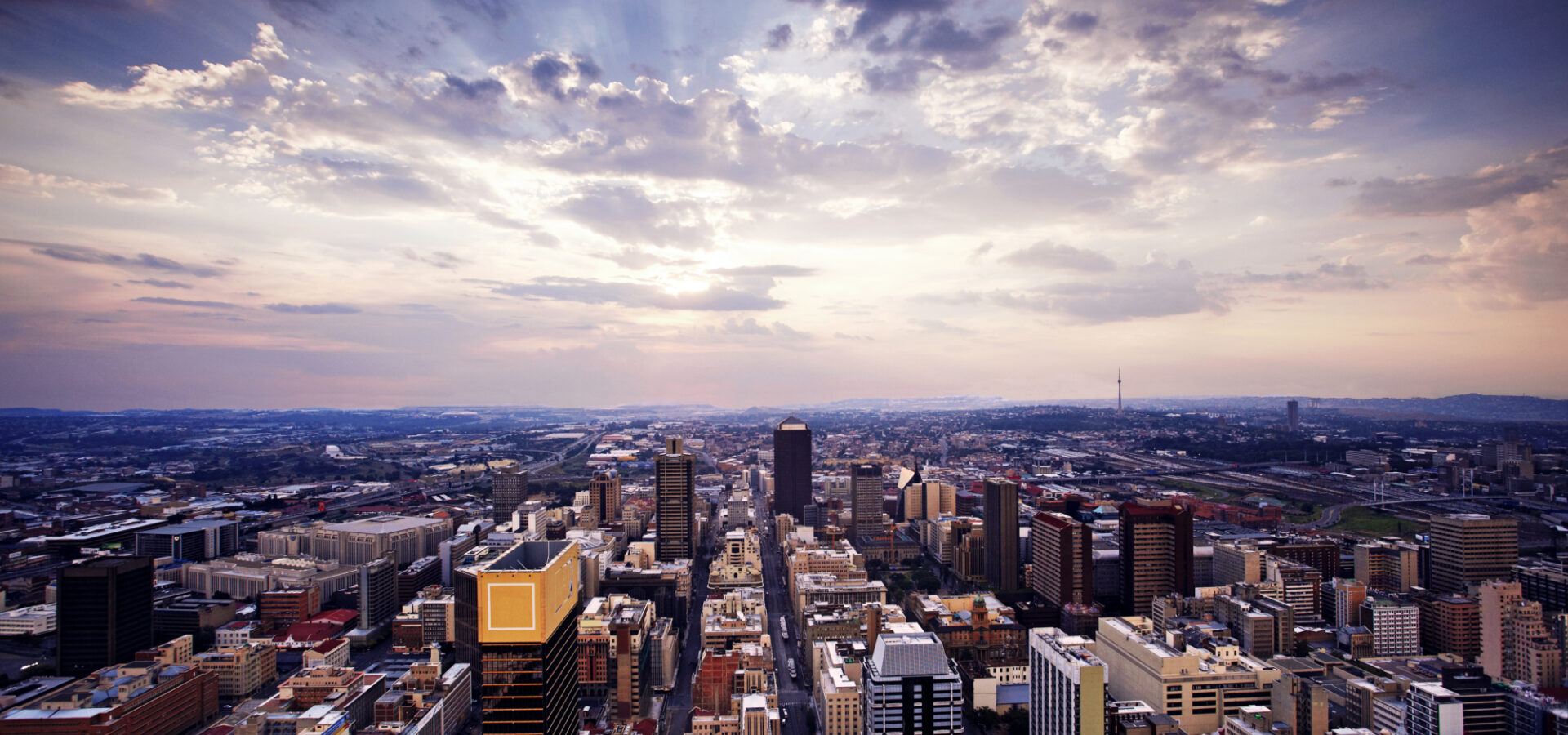
By 2050, the Word Economic Forum predicts that over 1.3 billion people in Africa will call a city home. As urban areas continue to grow, the burden on already struggling sanitation systems will become much too heavy. As newcomers arrive in already crowded urban areas, they often settle in informal settlements that lack access to basic services like sanitation, negatively impacting the people living there. Ensuring sanitation infrastructure can adequately deal with current needs and cope with future demands is vital. Existing waste management systems and infrastructure need to be adapted.
SDG 6: Clean Water and Sanitation
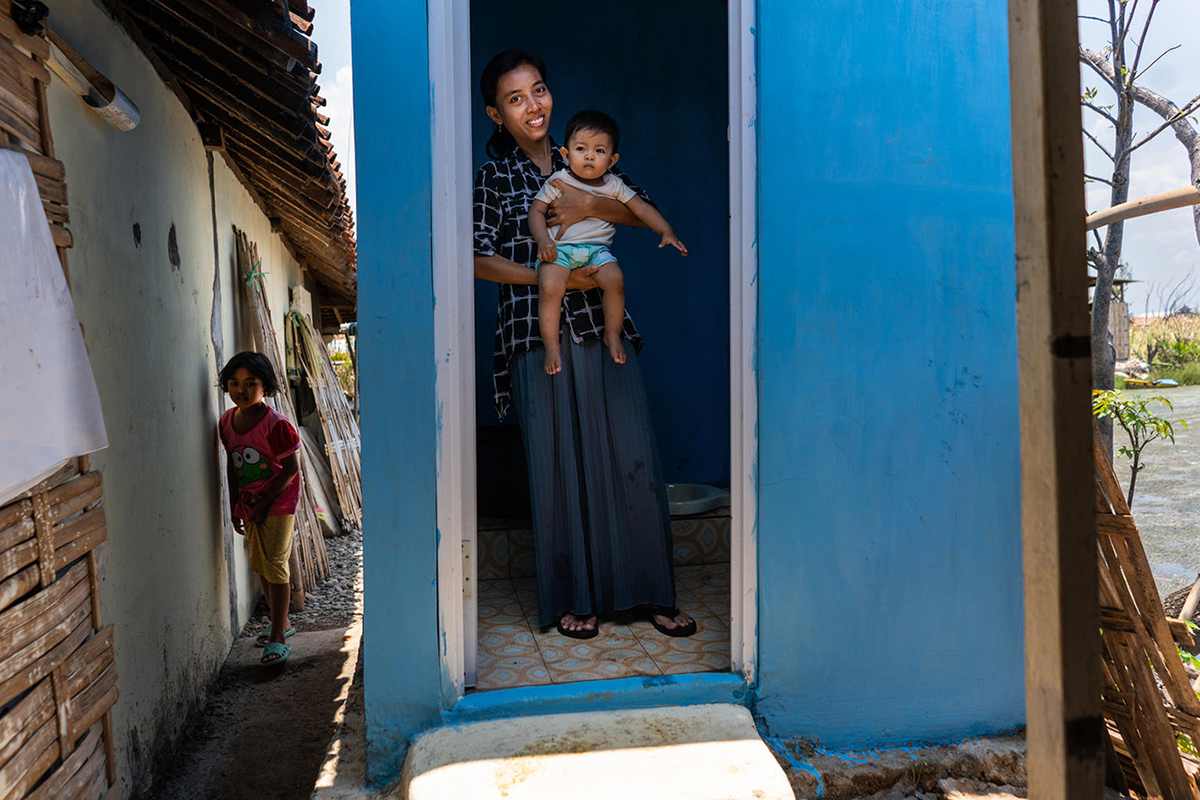
Who cares about toilets? 3.6 billion people do. Because they don’t have one that works properly. Life without a toilet is dirty, dangerous, and undignified. There will be no sustainable future without toilets. Governments must work four times faster and ensure toilets for all by 2030. This World Toilet Day (19 November), let’s value toilets and draw attention underfunded sanitation systems, poorly managed or neglected in the poorest communities. Help half of the world population by spreading the message!
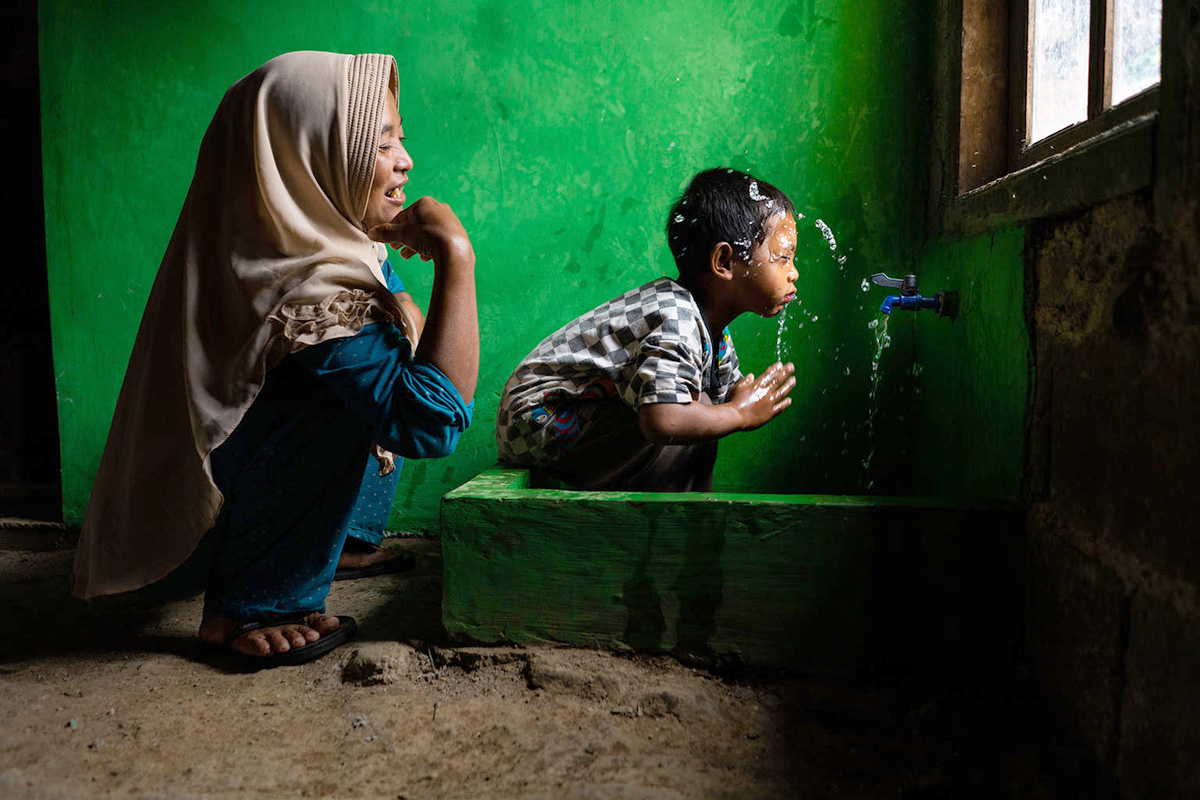
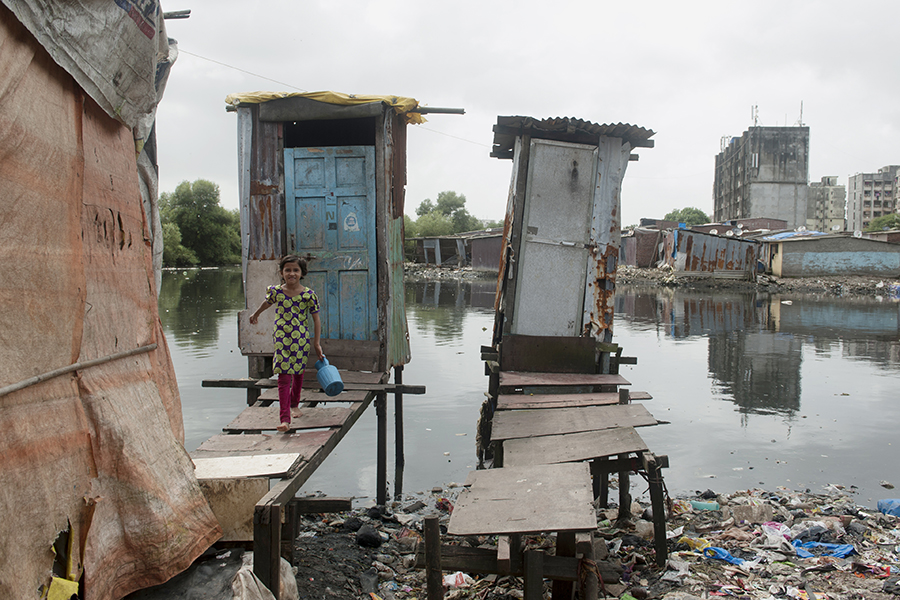
Wastewater and sludge from toilets contain valuable water, nutrients, and energy. Safe reuse of human waste reduces and captures greenhouse gas emissions for energy production and can provide agriculture with a reliable source of water and nutrients. Sustainable sanitation systems begin with a toilet that effectively captures human waste in a safe, accessible, and dignified setting. World Toilet Day (19 Nov) celebrates toilets and raises awareness of the 4.2 billion people living without access to safely managed sanitation. Get the message out!
Wastewater and sludge from toilets contain valuable water, nutrients, and energy. Safe reuse of human waste reduces and captures greenhouse gas emissions for energy production and can provide agriculture with a reliable source of water and nutrients. Sustainable sanitation systems begin with a toilet that effectively captures human waste in a safe, accessible, and dignified setting. World Toilet Day (19 Nov) celebrates toilets and raises awareness of the 4.2 billion people living without access to safely managed sanitation. Get the message out!
Access to clean water remains a struggle for many of the poorest households in rural areas.

Despite the growing recognition of the central role that water plays in all aspects of social, economic and environmental development, there is still insufficient awareness that water and sanitation actually pay for themselves. Access to clean water and sanitation reduce health care costs for individuals and society. With better health, people can invest more time in income-generating and social activities.

A toilet is not just a toilet. It’s a life-saver, dignity-protector and opportunity-maker. Whoever you are, wherever you are, sanitation is your human right. And yet, today, 4.2 billion people live without safely managed sanitation. World Toilet Day is celebrated on 19th November every year to inspire action to tackle the global sanitation crisis and expand access to safe toilets. How can anyone lift themselves out of poverty without sanitation? We must expand access to safe toilets and leave no one behind.

The lack of access to clean water and inadequate sanitation affect all aspects of life, not just health. They present a significant barrier to the advancement of the entire Sustainable Development Agenda: widening inequalities, polluting the environment, putting women’s safety and dignity at risk, and forcing poor families to walk long distances to collect water (instead of going to school or to work). Half of the world’s population lives in such conditions. In November, we stress the need to ensure access to safe water sources and sanitation for all.


SDG 6 seeks to ensure safe drinking water and sanitation for all, focusing on the sustainable management of water resources, wastewater and ecosystems, and acknowledging the importance of an enabling environment.